Free · Open Access
Case Studies
Current events analyzed through the lens of our curriculum frameworks. Each case study is a cross-curricular junction — a single event read through multiple disciplines at once. Free and open to everyone, no account needed.

FreeHistory of Technology
Text READY, an Investigation Into the Government's Theory of AI Displacement
We enrolled in the Department of Labor's AI literacy course, completed all seven lessons, boundary-tested every interaction, and extracted the complete transcript. What follows is the investigation: what we assumed before the data, what the data showed, and what changed.
Herbert Simon, Donella Meadows, Freedom Preetham
Read case study

FreeCritical Thinking
The Classroom Still Works (Under What Conditions)
The journalism series diagnoses a broken architecture. This case study asks a different question: when the conditions allow it, what does evidence-based learning actually look like, and why are those conditions so rare?
Hermann Ebbinghaus, Robert Bjork, Henry Roediger +5
Read case study

FreeCritical Thinking
The Coherence Assessment, ICD 203 Applied to Executive Action
When you apply the intelligence community's own analytic standards to the full pattern of executive actions, from inspector general purges to an unauthorized regional war, what coherence assessment emerges? A meta-analytical framework that teaches students how intelligence analysts evaluate patterns, then asks them to apply those tools domestically.
Timothy Snyder, Steven Kotkin, Mark Blyth +1
Read case study
FreeEthics & Moral Philosophy
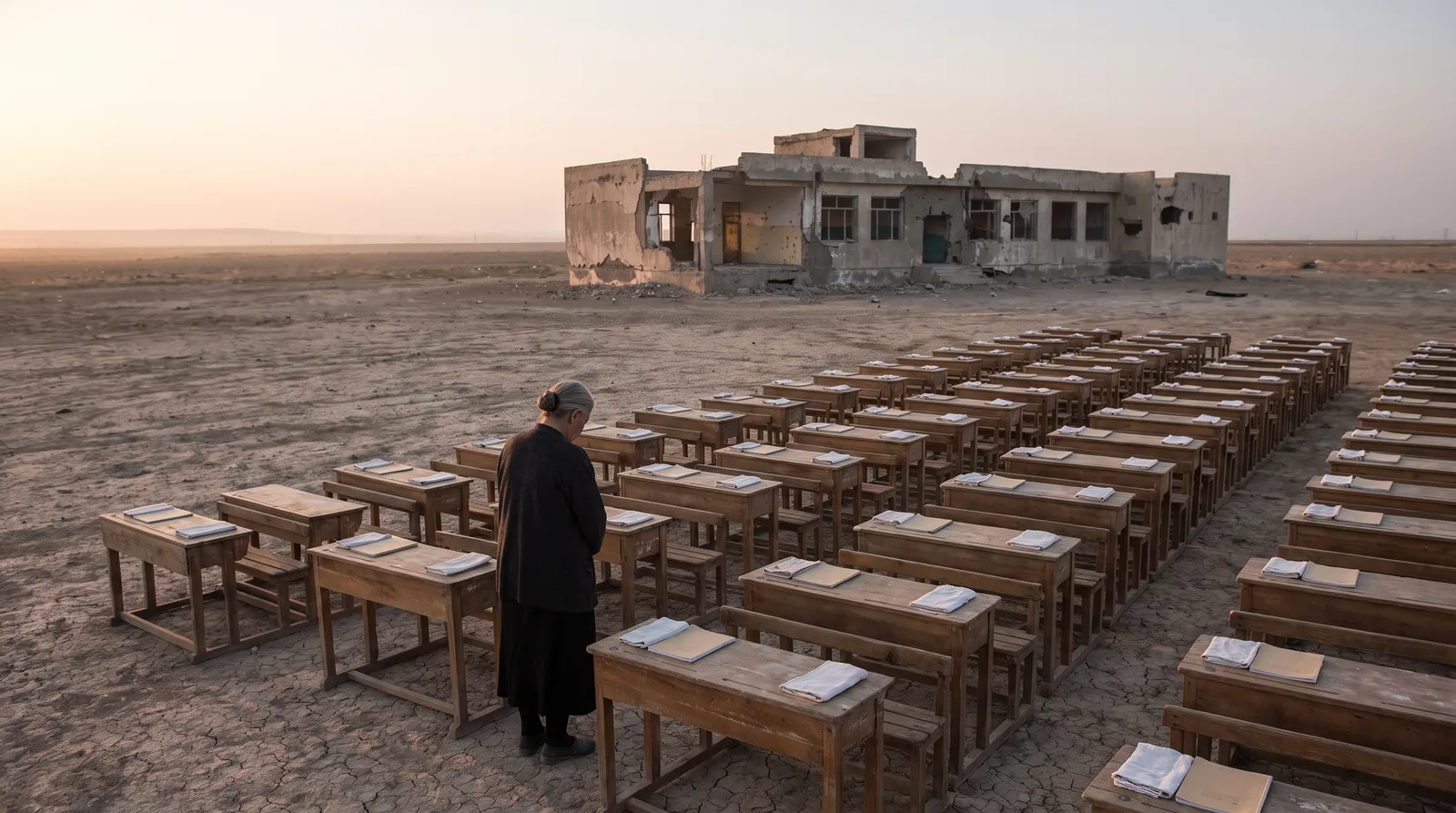
What Ten Days Reveal About War Crimes, Norms Erosion, and the Rules After the Rules Are Gone
Part 4 of the Bayesian sequence. What are war crimes? Who defined them? Why has the US spent 25 years ensuring they don't apply to Americans? Aaron Sorkin dramatized these dilemmas in 2001. The distance between that show and this war, now measured in 3,000 targets, 165 dead schoolgirls, a sanctioned ICC, and a 47-53 Senate vote, is the measure of the norms we've lost. The Rome Statute, Meadows' policy resistance, Snyder's institutional collapse, and the Overton window from Fukuyama to Project 2025.
Aaron Sorkin, Donella Meadows, Timothy Snyder +3
Read case study
FreeHistory of Technology
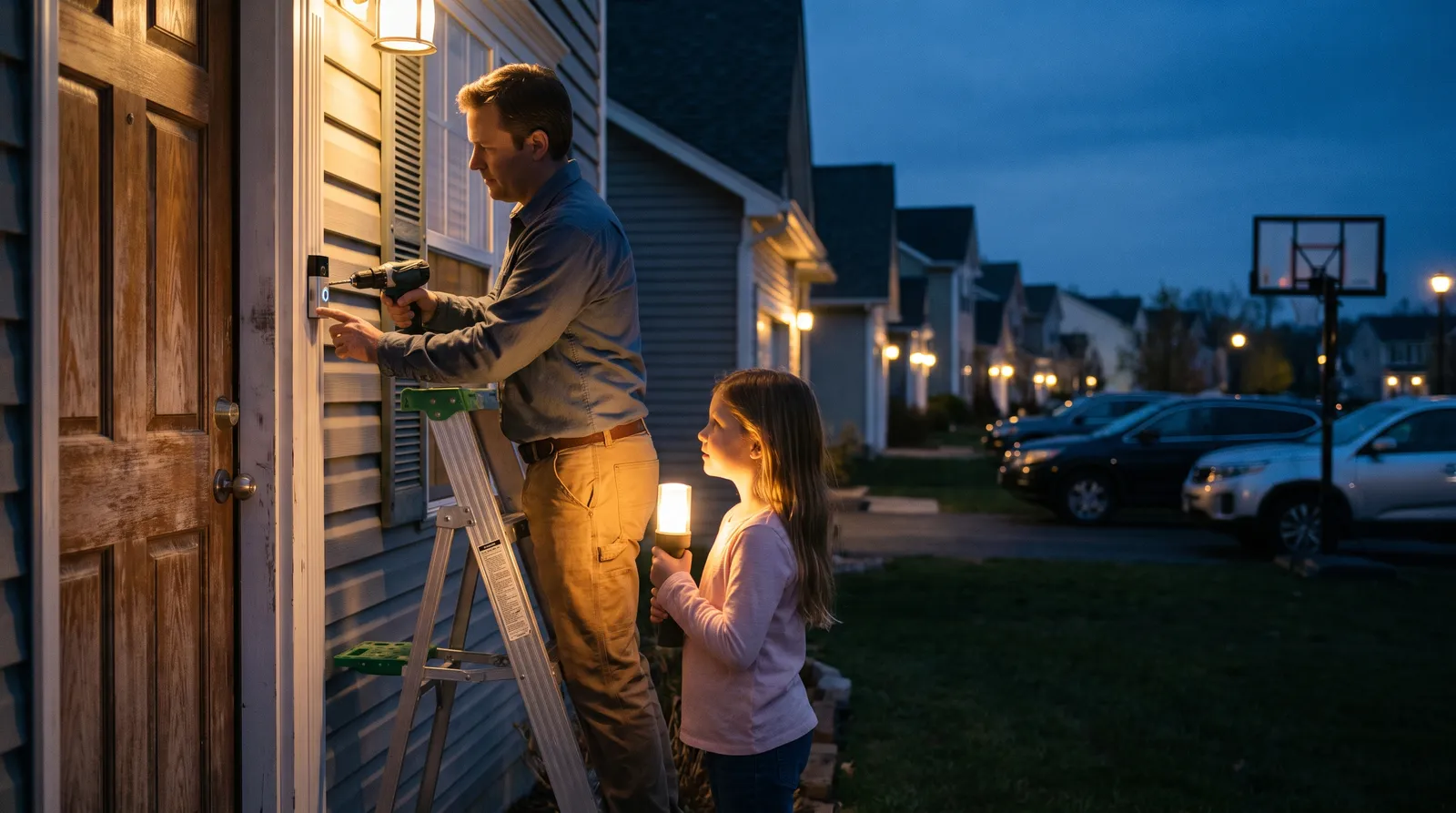
The Voluntary Panopticon, How Consumers Built the Surveillance State the Government Couldn't
From the PATRIOT Act to Ring's 'war on crime,' how the privatization of surveillance inverted the Fourth Amendment, and why a musician's YouTube documentary succeeded where policy advocacy failed.
Benn Jordan, Shoshana Zuboff, Bruce Schneier +2
Read case study
FreeSystems Thinking
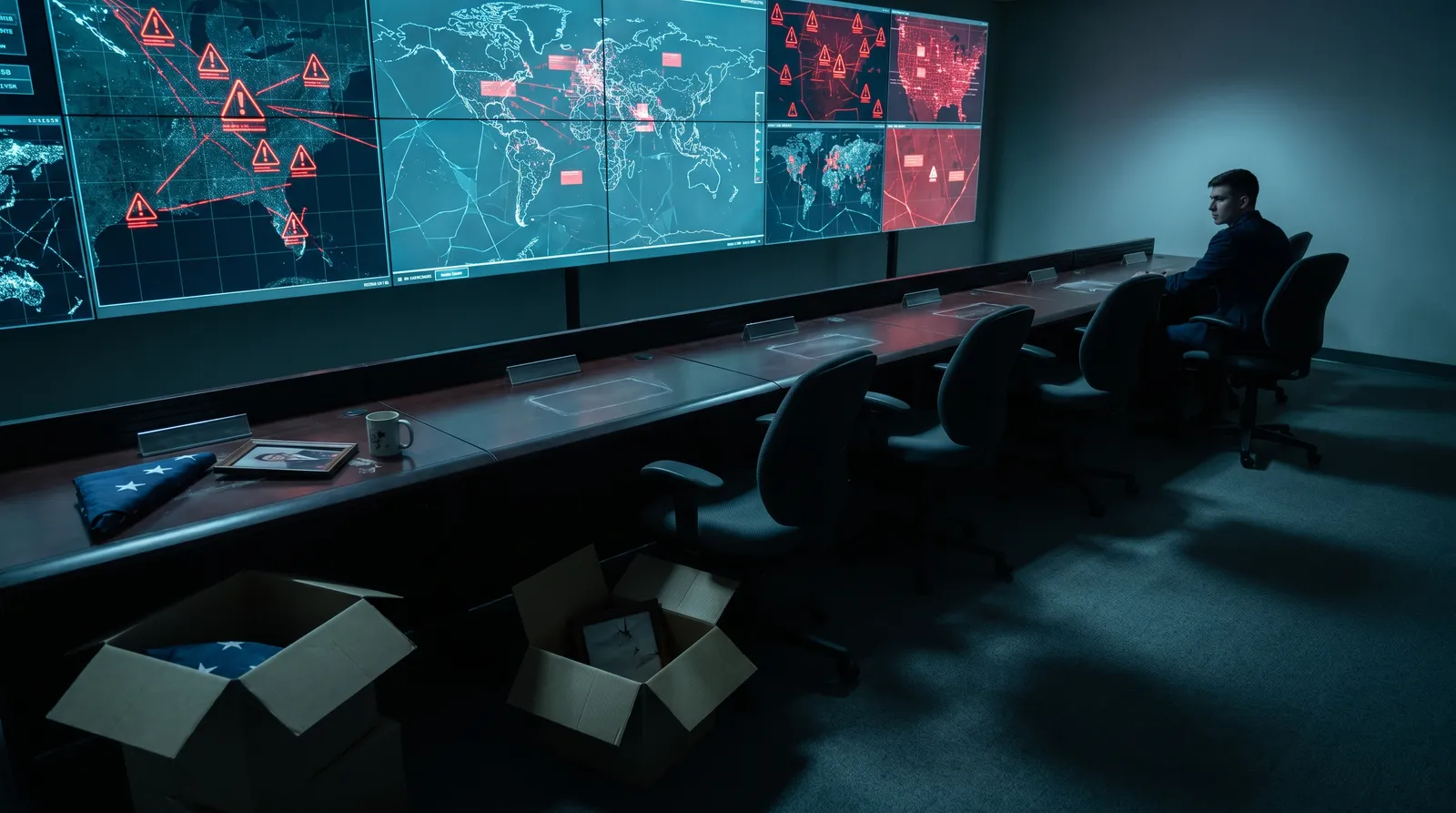
When Binary Codes Collide
When political loyalty displaces institutional competence as the coupling mechanism between civilian authority and military readiness, the system loses its capacity to process threat signals at precisely the moment those signals intensify.
Niklas Luhmann, Herbert Simon, Donella Meadows
Read case study
FreeUS Politics: Hidden Mechanics
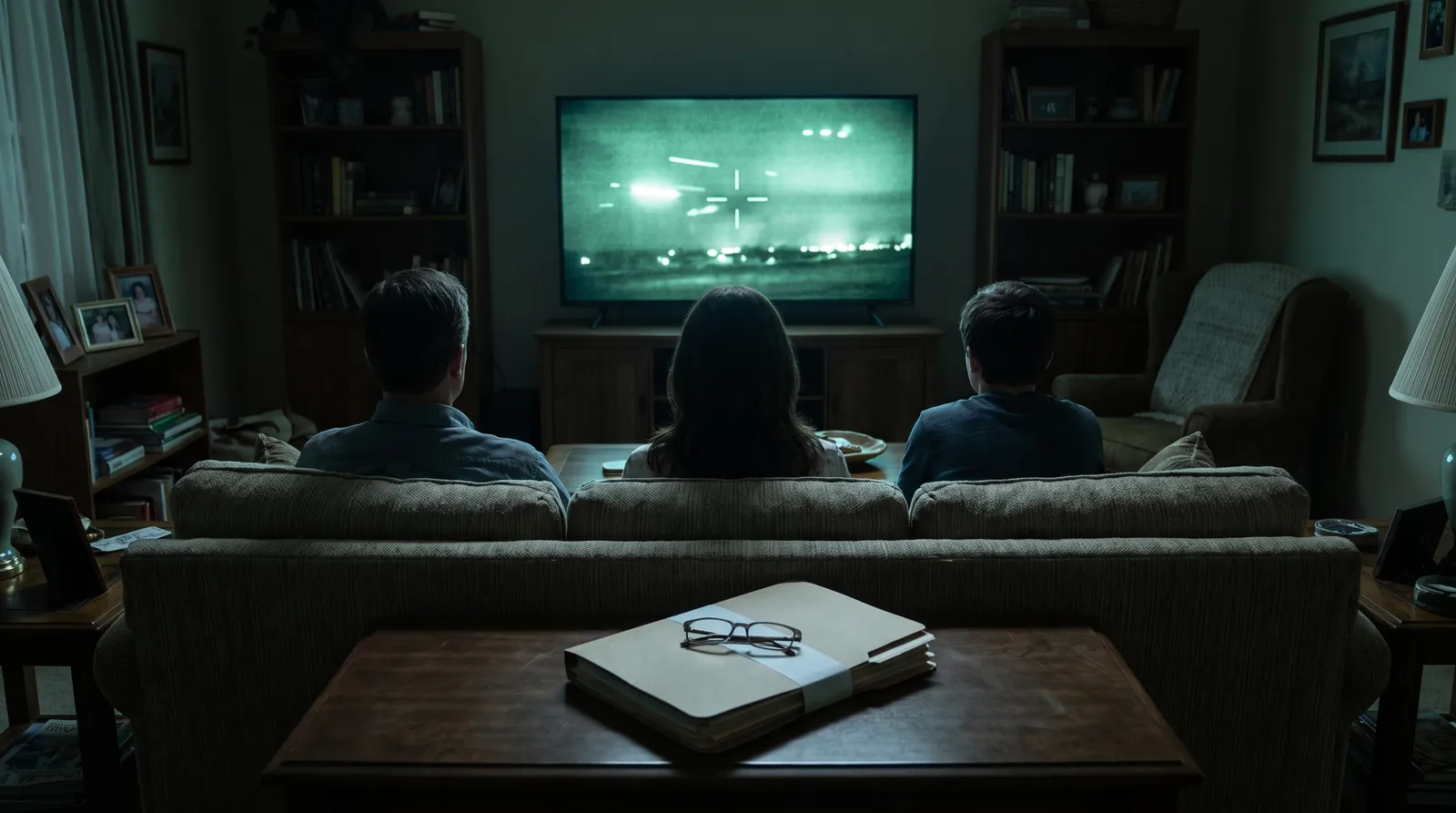
The Epstein Files, the Iran Strikes, and the Diversionary Presidency
When a president controls both the release of documents that implicate him and the initiation of military operations that displace attention from those documents, what institutional checks remain? An analysis through democratic erosion, IPC gap theory, and the imperial presidency.
Timothy Snyder, Freedom Preetham, Mark Blyth +4
Read case study
FreeUS Politics: Hidden Mechanics
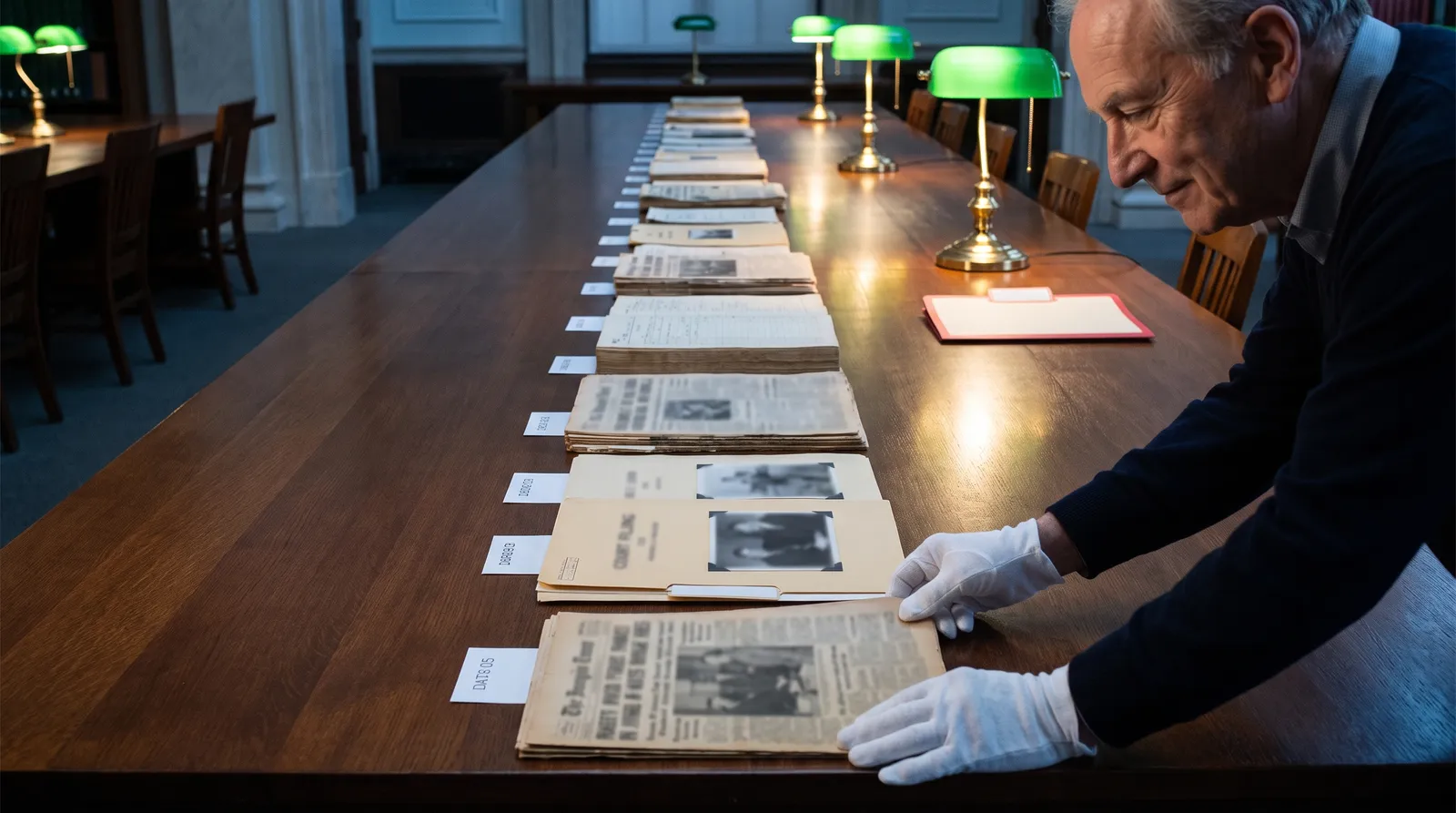
The Ten-Year Signal — Character, Credibility, and the Russia Pattern
Three documented episodes update the Bayesian prior on executive credibility regarding Russia: Helsinki, the first impeachment, and the Jack Smith evidence. The Mueller Report, congressional testimony, and court filings are public record. The loyalist ecosystem is mapped by convictions and pardons. The financial entanglement is documented in sworn testimony. And in March 2026, Russian intelligence is confirmed providing targeting data for strikes on American troops. This is a credibility assessment. The evidence speaks.
Timothy Snyder, Daniel Kahneman, Freedom Preetham
Read case study
FreeEthics & Moral Philosophy
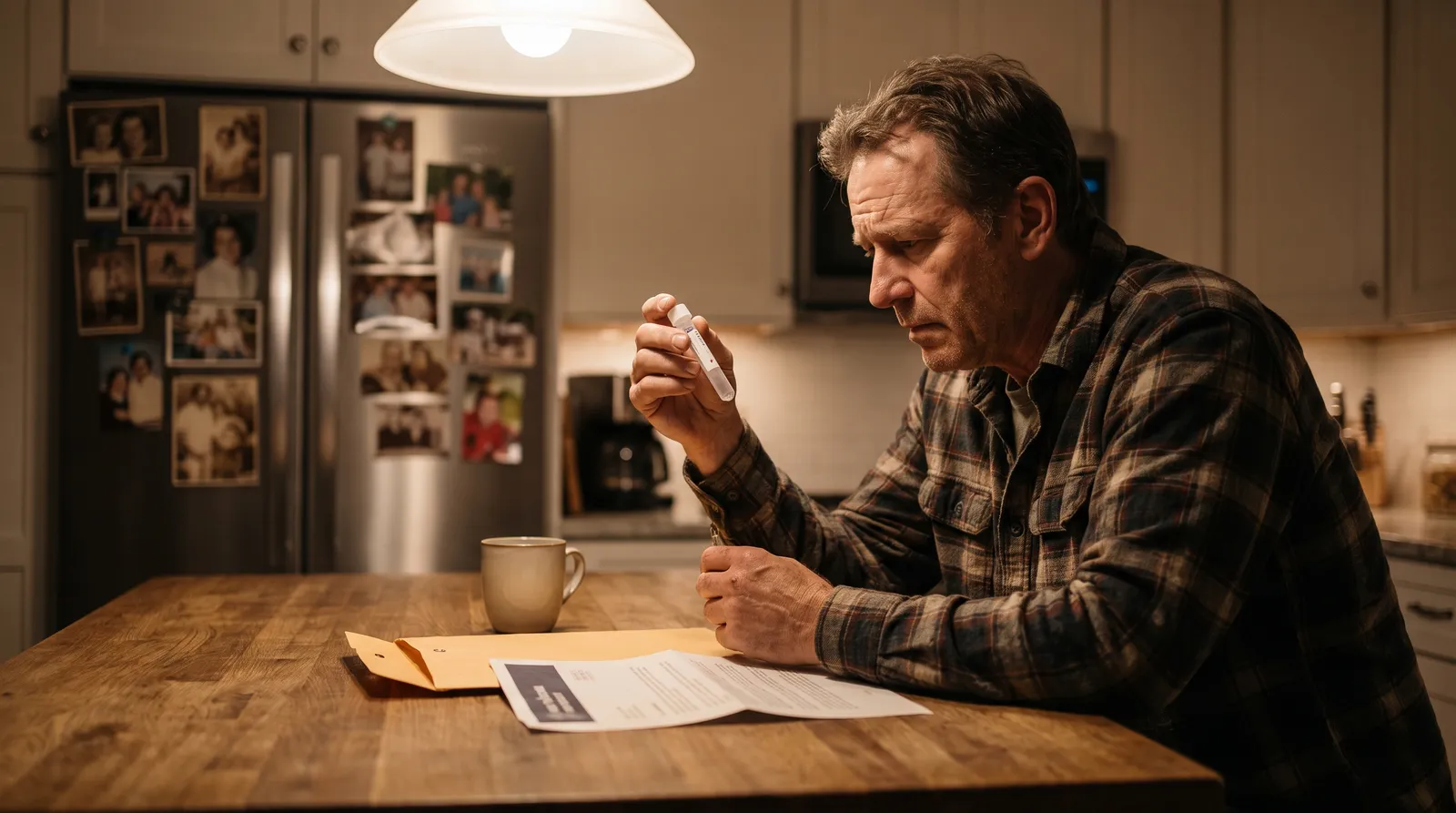
The Genetic Wild West, When DNA Becomes a Corporate Asset
When a bankruptcy judge rules that 15 million people's genetic data is a transferable corporate asset, when the same DNA technology that frees the innocent entraps entire communities, Lessig, Luhmann, Santos, Rampton and Stauber reveal how architecture, manufactured trust, and institutional blindness govern the most intimate data we possess.
Lawrence Lessig, Niklas Luhmann, Boaventura de Sousa Santos +3
Read case study
FreeFinancial Markets
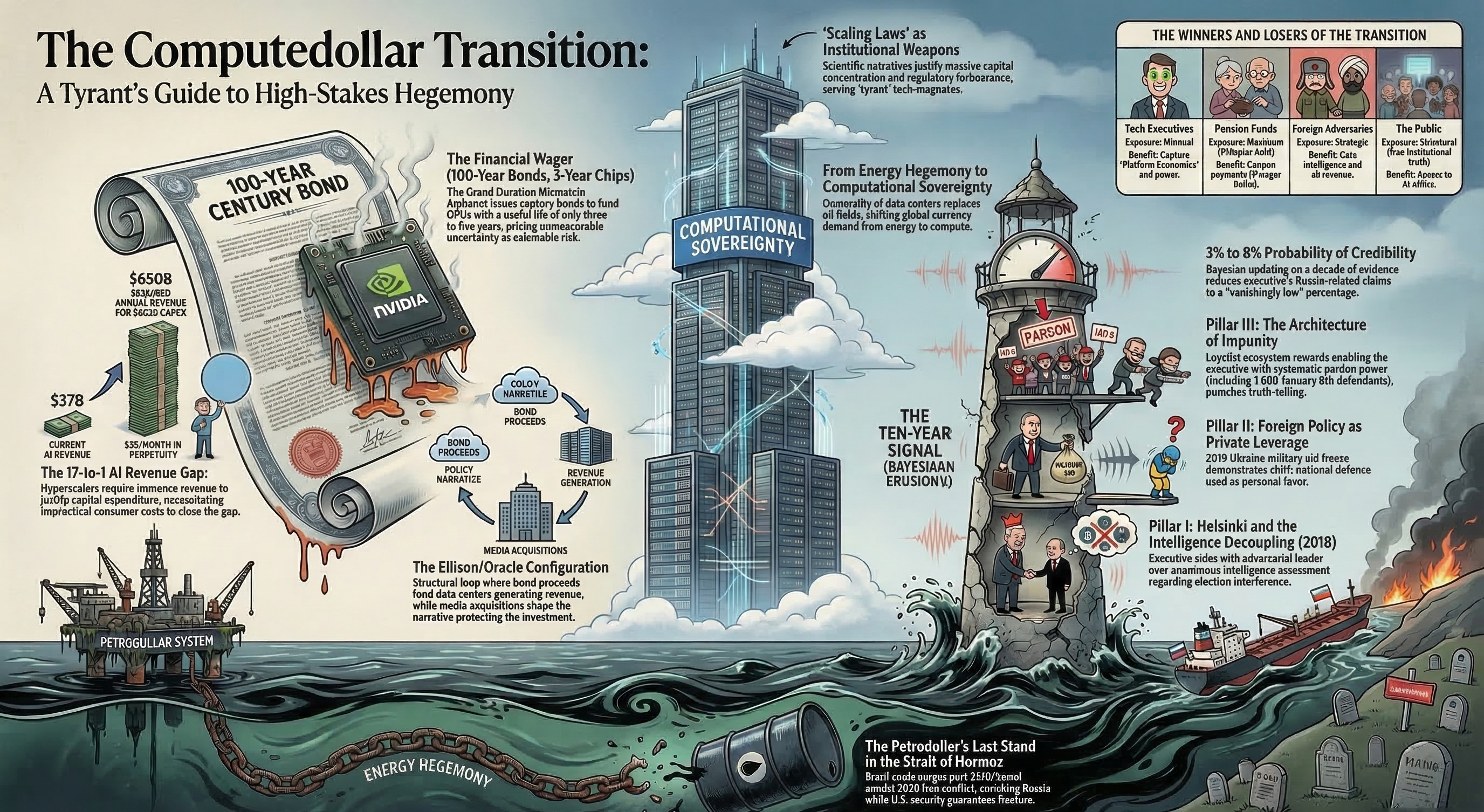
The Century Bond and the Three-Year GPU
When 100-year financial instruments fund hardware with a 3-year useful life, Frank Knight's distinction between risk and uncertainty stops being abstract. The question is not whether the AI bubble will pop. It is whether the system even knows it is making a bet.
Frank Knight, Niklas Luhmann, Aswath Damodaran +3
Read case study
FreeFinancial Markets
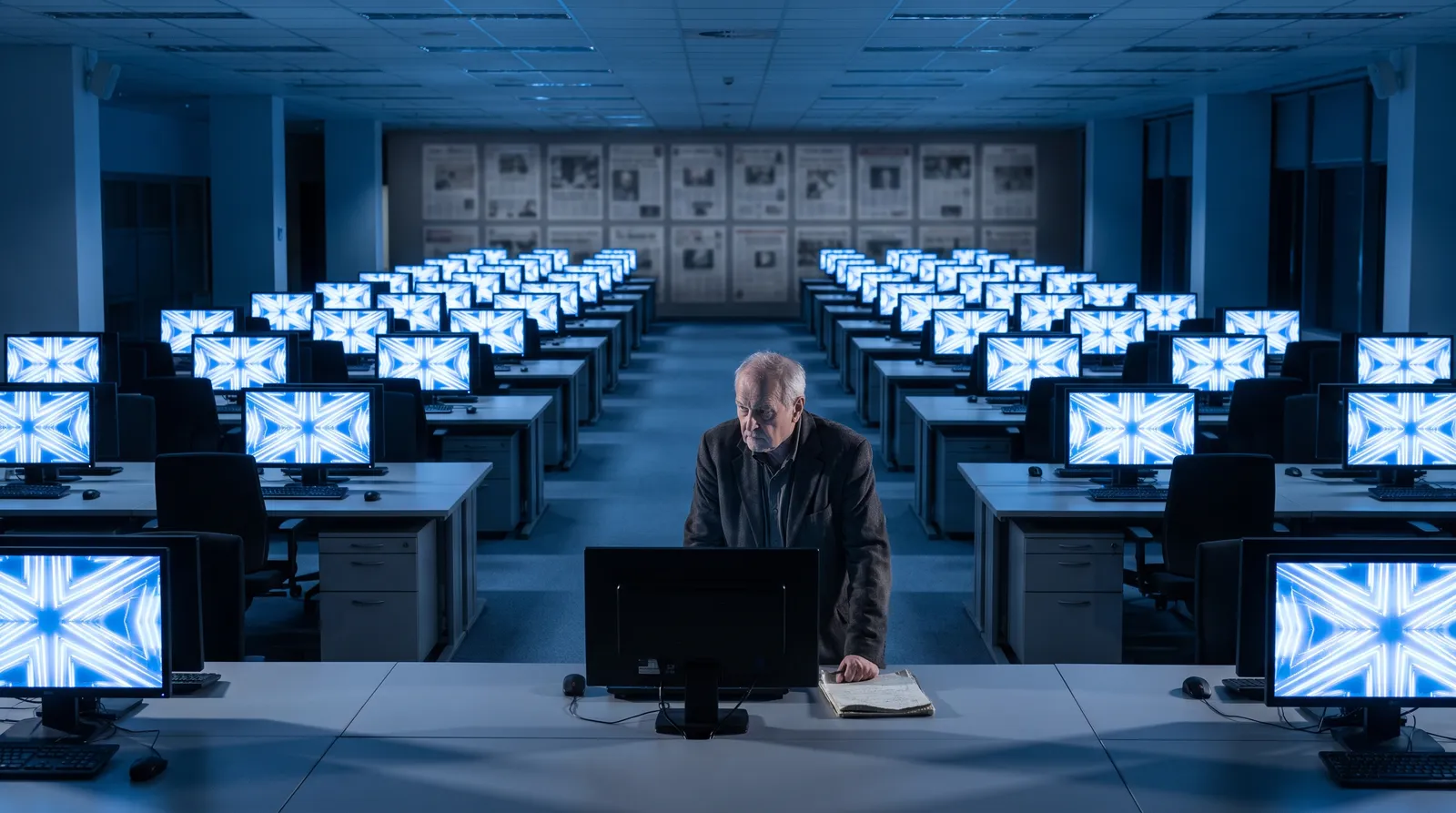
Who Owns the Conversation?
When a $111 billion media merger is justified by 'synergy' and 'transaction cost reduction,' Mark Blyth's question is whether the economic ideas are neutral analysis or institutional weapons, and whether the consolidated media entity becomes the vehicle for propagating the very narrative that justified its creation.
Mark Blyth, Aswath Damodaran, Jürgen Habermas
Read case study